About Insight Psychodynamic

The Beginnings of Insight
Insight began in 2024, when I left a full-time academic position to establish a training program that reflected how I believed psychology graduates engaging in a Registrar Program with an interest in psychodynamic psychotherapy should be taught.
During my years teaching Psychopathology and Clinical Interventions in postgraduate psychology, I watched class sizes increase, supervision become increasingly difficult to sustain, and educational priorities shift. These changes reflected genuine institutional pressures rather than individual failings, but they also convinced me that I wanted to create something different: a program built around intellectual depth, dialogue, sustained supervision, and the development of thoughtful clinicians. I addressed this in part by running informal programs, such as a Dream School, as part of my clinical supervision which was popular with students, but never part of the university curriculum.
I have a son who is a musician who likes to say he plays rock music "the way it was meant to be played." In a similar spirit, I found myself wanting to build the kind of registrar program I believed psychotherapy deserved—recognising, of course, that programs are always easier to imagine than they are to implement.
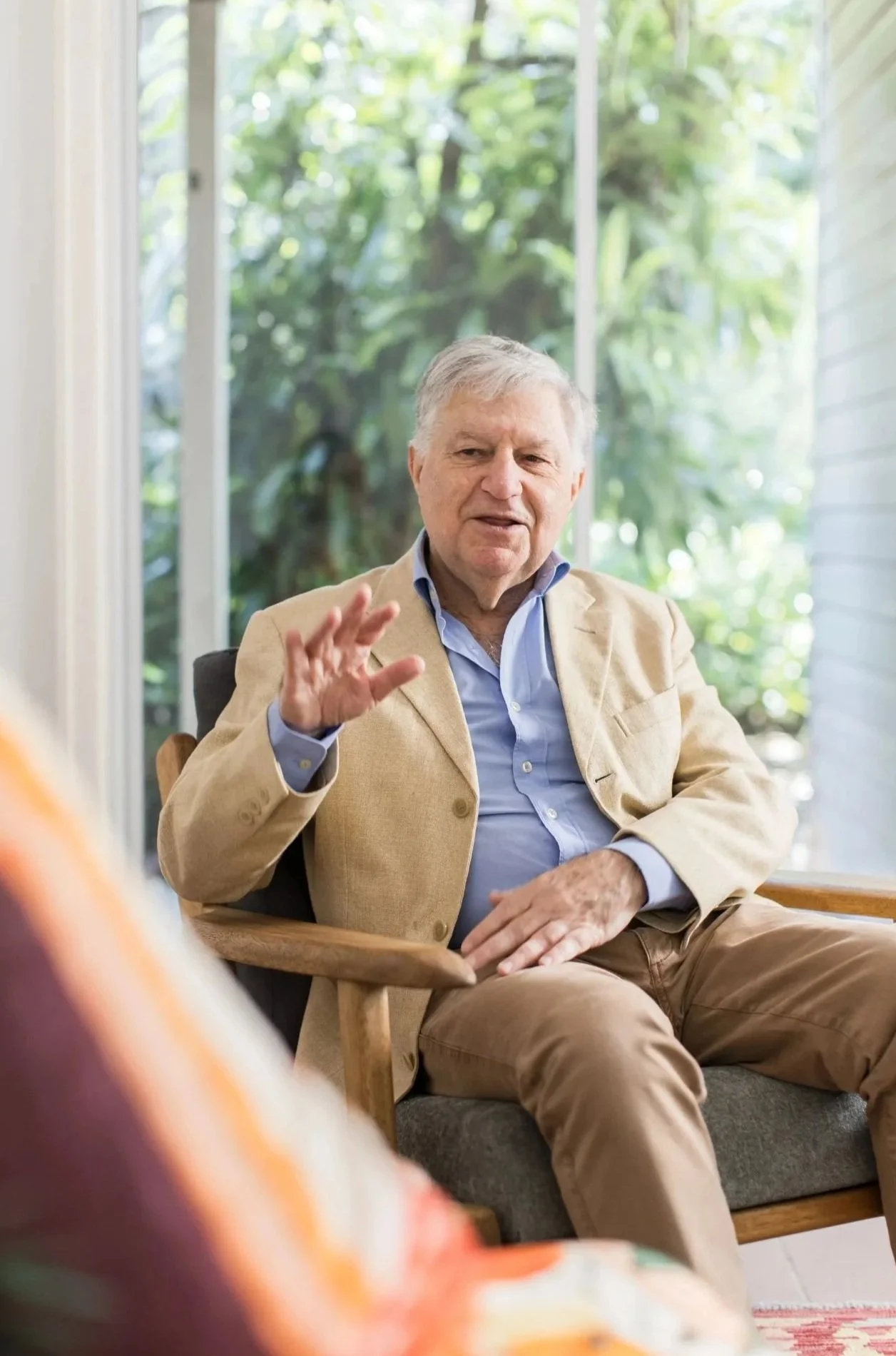
– Robert Schweitzer, Founder and Co-Convenor of Insight Psych Registrar
What We Set Out to Build
Theoretical Coherence
Registrars arrive having already completed a rigorous postgraduate education. They have usually encountered a range of therapeutic models, but often have relatively limited opportunity to immerse themselves in contemporary psychodynamic thinking or to develop a sophisticated understanding of unconscious processes.
Rather than offering another survey of approaches, we wanted to provide sustained immersion in one coherent way of thinking, followed deeply enough that it could gradually become one's own.
Small Groups
Professional identity does not develop in a lecture theatre. It develops within a small community of clinicians who come to know one another's work well enough to think together, challenge one another, and support each other's development over time.
For that reason, we have deliberately kept our groups small and intend to continue doing so.
Dialogue Rather Than Lectures
Psychodynamic psychotherapy is fundamentally relational. It seemed important that the way it is taught reflects that reality.
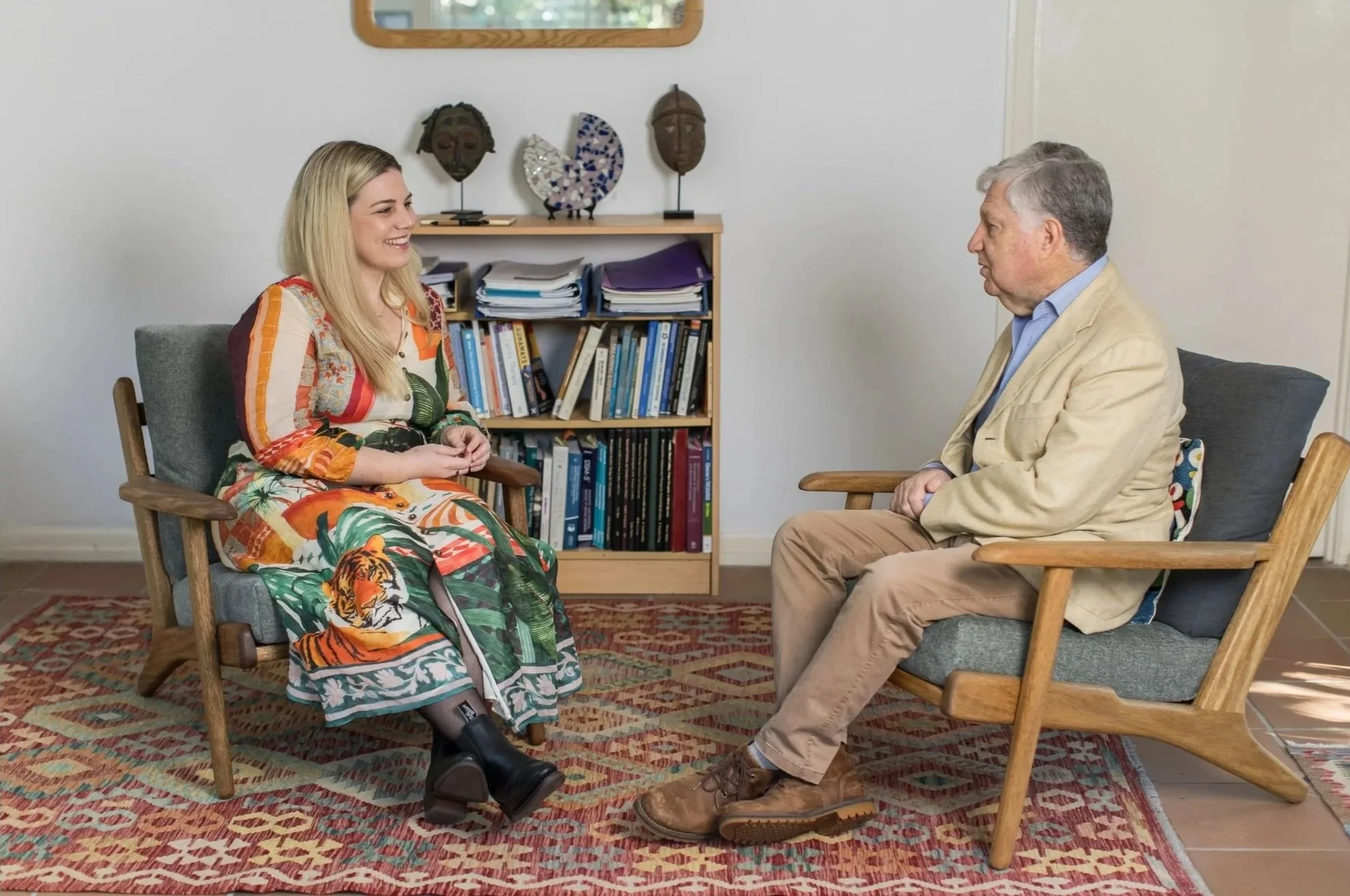
Teaching therefore emphasises discussion rather than presentation, curiosity rather than certainty, and dialogue rather than the transmission of information. Participants are invited to contribute their own thinking, clinical experience and questions, recognising that genuine learning emerges through conversation rather than simply receiving knowledge.
Developing the Therapist
Perhaps most importantly, we have always believed that the development of the therapist is not simply a by-product of learning theory or technique. It is the heart of professional development itself.
Knowledge Matters. Skills Matter.
But psychotherapy also asks something of the person who practises it. Developing the capacity to think psychologically, tolerate uncertainty, and remain curious about another person's experience is central to becoming an effective clinician.

"I have entitled this talk Healing the Mind, but in fact it would be more accurate to call it Creating the Mind... We are not born with ready-made minds; we are born with the innate capacity to create a mind."
— Neville Symington (2003), p. 13-14
Working Together
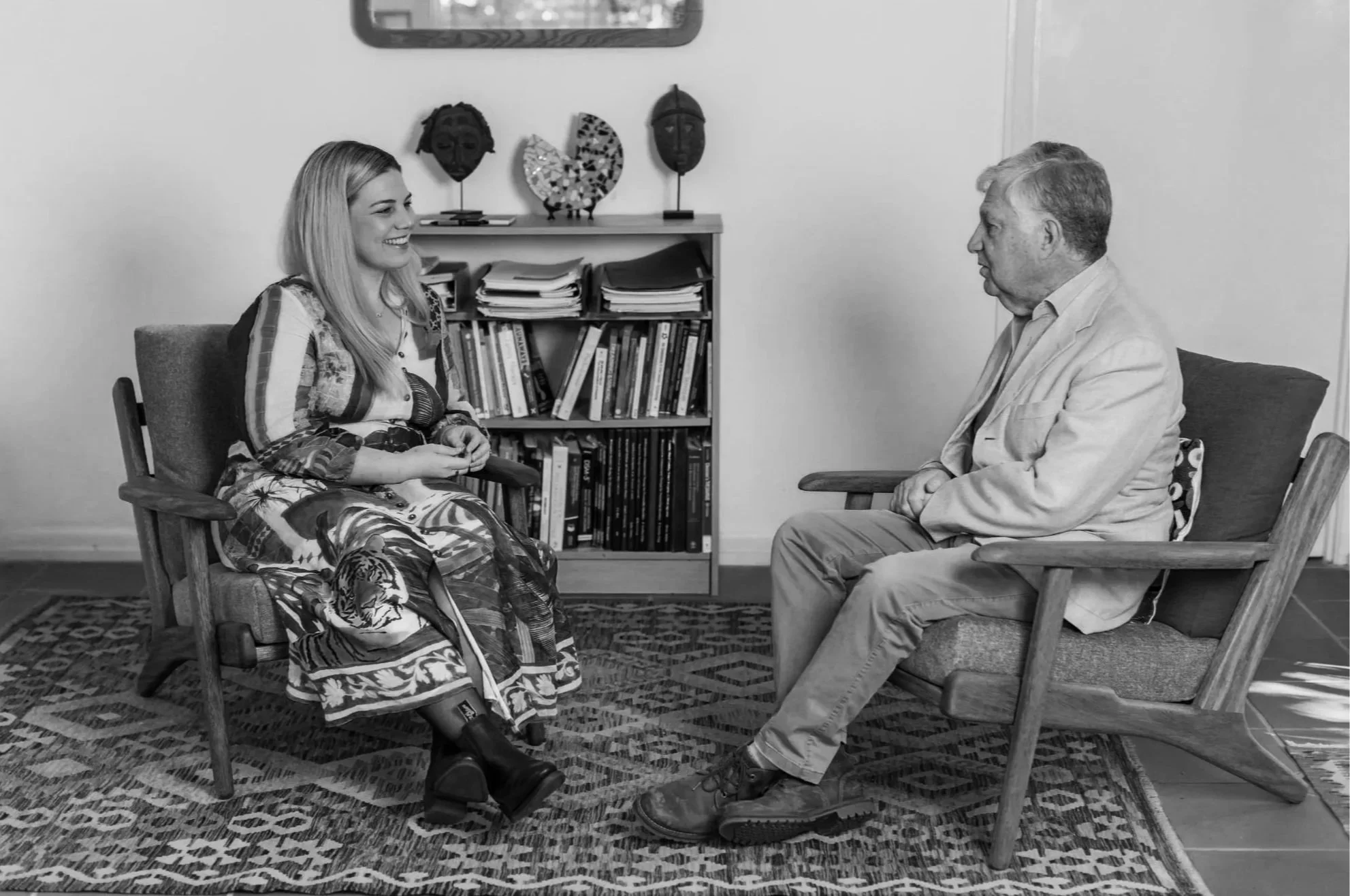
I approached Rebecca Bargenquast early in the development of Insight. Rebecca is a great teacher and it quickly became apparent that her contribution enriched the program. I found myself learning from the depth of her psychoanalytic knowledge and clinical thinking, and the differences between us have become one of the program's strengths.
Participants encounter two experienced clinicians who sometimes think differently about the same material. Rather than presenting a single "correct" perspective, we invite participants in our programs to think critically, engage with differing viewpoints, and gradually develop their own informed clinical voice.
Our relationship has now been formalised as Co-Convenors of the program. Working together has also ensured that Insight continues to evolve. Like the participants, we continue learning through the conversations that emerge within the program itself.
A Note on Paradigms
Contemporary Australian psychology has understandably placed considerable emphasis on cognitive-behavioural approaches and research methods that lend themselves to controlled empirical investigation. These approaches have made an important contribution to the profession, and registrars should be familiar with them.
At the same time, every dominant paradigm inevitably shapes what is considered worthy of attention. My concern is that contemporary psychology can sometimes privilege what is most readily measured while paying less attention to subjectivity, unconscious experience, relationships, and the development of the person as a whole.
The word psyche originally referred to something much broader than cognition alone—it spoke to the animating life of a person. Likewise, science originally meant simply knowledge before becoming associated with a particular method of establishing evidence. Whether or not one accepts this historical observation, it reminds us that some of the most important aspects of psychological life are also among the most difficult to measure.
Insight exists to make room for those questions.
We are interested in understanding how minds develop within relationships, how people make meaning of their experience, and how psychotherapy can foster lasting psychological change. This often requires thinking over months and years rather than within a predetermined number of sessions.
None of this represents an argument against evidence-based practice. Quite the opposite. We believe evidence matters deeply, and the research supporting contemporary psychodynamic psychotherapy continues to grow. Equally important is recognising that evidence is sometimes interpreted more narrowly than the literature itself warrants. Later sections of this website review this evidence in greater detail.
Our Educational Philosophy
We believe psychotherapy is learned through experience, careful study, reflective practice, supervision, and genuine dialogue.
Contemporary relational psychodynamic theory provides a rich framework for understanding subjectivity, unconscious processes, relationships, and the complexities of psychological life. At the same time, we recognise that no single theoretical tradition has all the answers. We encourage participants to engage critically with ideas while developing their own thoughtful clinical identity.
Our educational philosophy is therefore founded on curiosity, careful listening, intellectual rigour, and genuine respect for the person in front of us.
Professional development involves much more than acquiring competencies. It involves developing the capacity to think psychologically, tolerate complexity, and remain open to discovering something new in every therapeutic encounter.
Where We Are Now…
Participants have joined Insight from across Australia and, increasingly, from overseas, including Singapore and Beirut. Interest has grown steadily, leading us to introduce two intakes during 2026. Despite this growth, our commitment to small learning groups has not changed and will not.
The most rewarding aspect of the program has been watching what participants become over the course of two years. That transformation is difficult to describe but immediately recognisable and is reflected in the endorsements provided by our graduates.
They arrive competent.
They leave thinking differently.
I think that this is Rebecca an my experience.
Insight was never intended to become the largest registrar program. It was intended to become the kind of program I would have wanted to undertake myself, and the kind of training I continue to believe is most appropriate for those psychologists who wish to work from a psychodynamic sensibility.
An Invitation
Whether you are beginning your registrar pathway, seeking advanced professional development, or simply looking for a richer way of thinking about psychotherapy, we invite you to join a community committed to thoughtful clinical practice and a genuine curiosity that doesn’t stop at graduation.