
Meet the Insight Faculty

Approach to Teaching
Sessions, comprising theory and case presentations, are conversations involving the participation of all participants. We bring our own clinical work as well as asking participants to bring theirs. In our view, working with small groups means that we can think about theory and each person’s work in a considered manner.
Much of what matters in working psychodynamically is learned by reading and watching and reflecting upon how we make sense of our experience. That is difficult to put on a slide, which is why we mostly don't use PowerPoint.
-
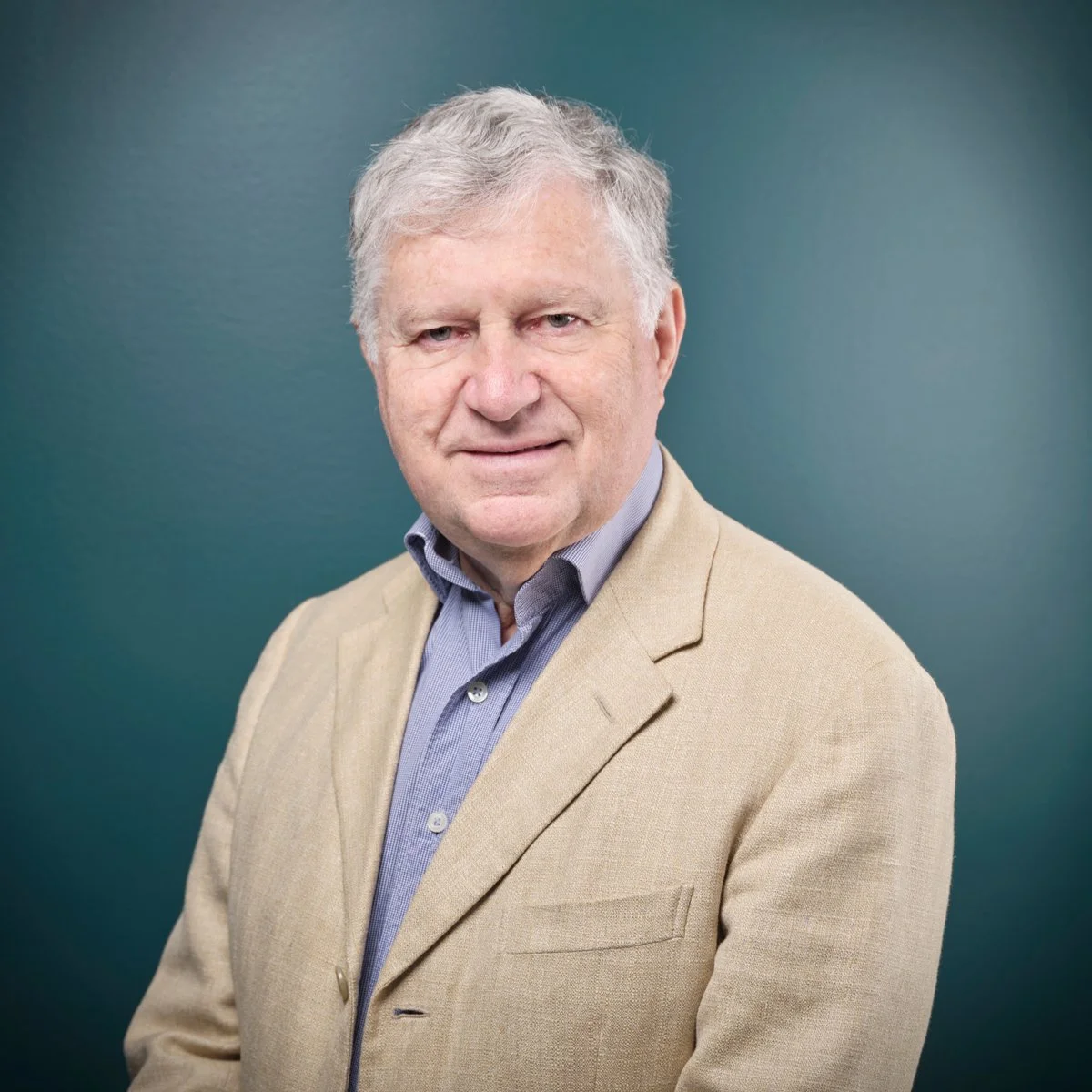
Dr Robert Schweitzer
Robert is a clinical psychologist, psychodynamic psychotherapist, clinical supervisor, researcher, and Adjunct Professor of Psychology at Queensland University of Technology (QUT), Brisbane.
-
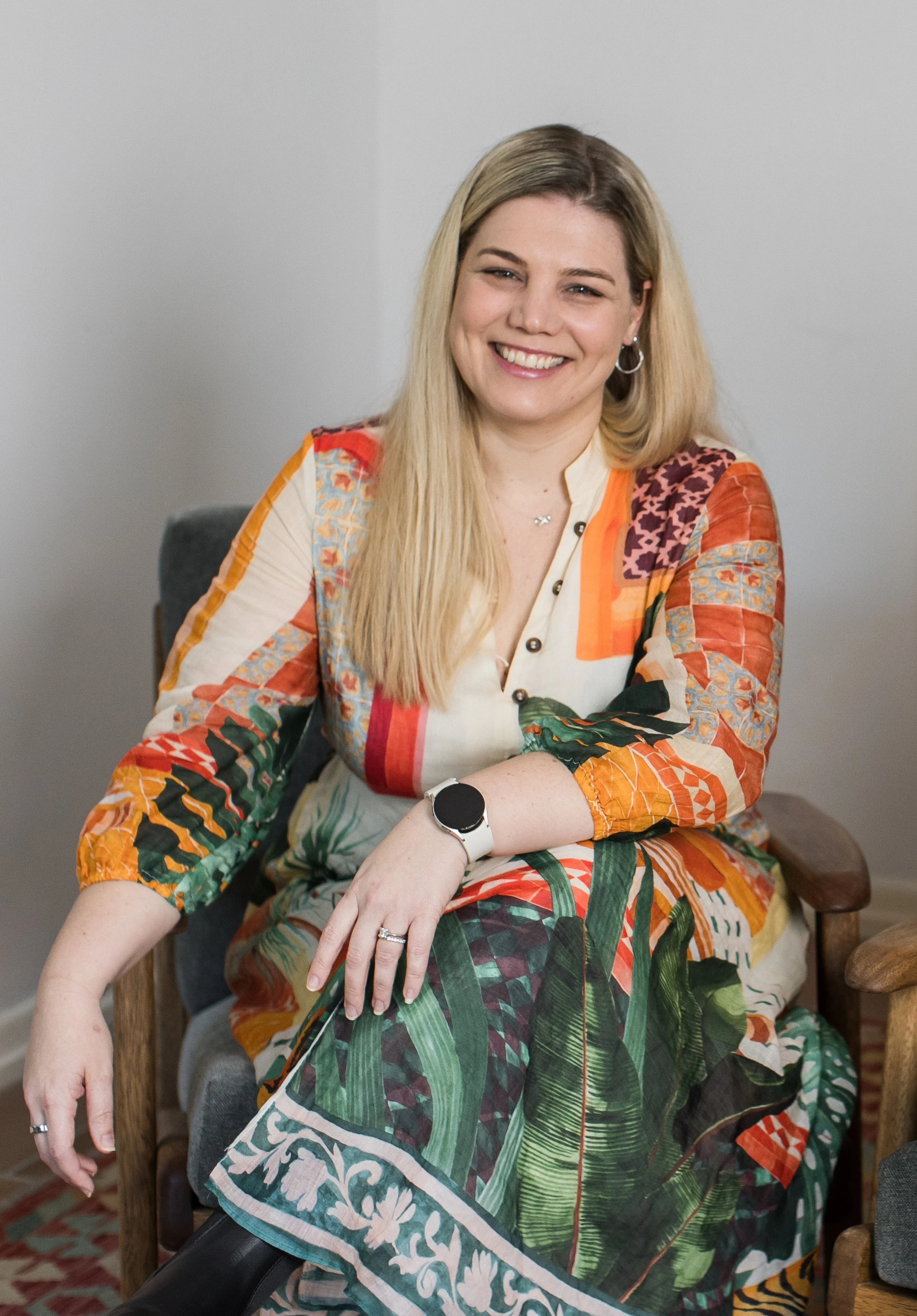
Dr Rebecca Bargenquast
Rebecca is a clinical psychologist, psychodynamic therapist, and clinical supervisor in private practice in Brisbane.
Guest Contributors
Insight is enriched by guest contributors whose clinical expertise, scholarship, and teaching complement our educational philosophy. These colleagues bring specialist perspectives from Australia and internationally, contributing to selected seminars, workshops, and professional development activities.
-
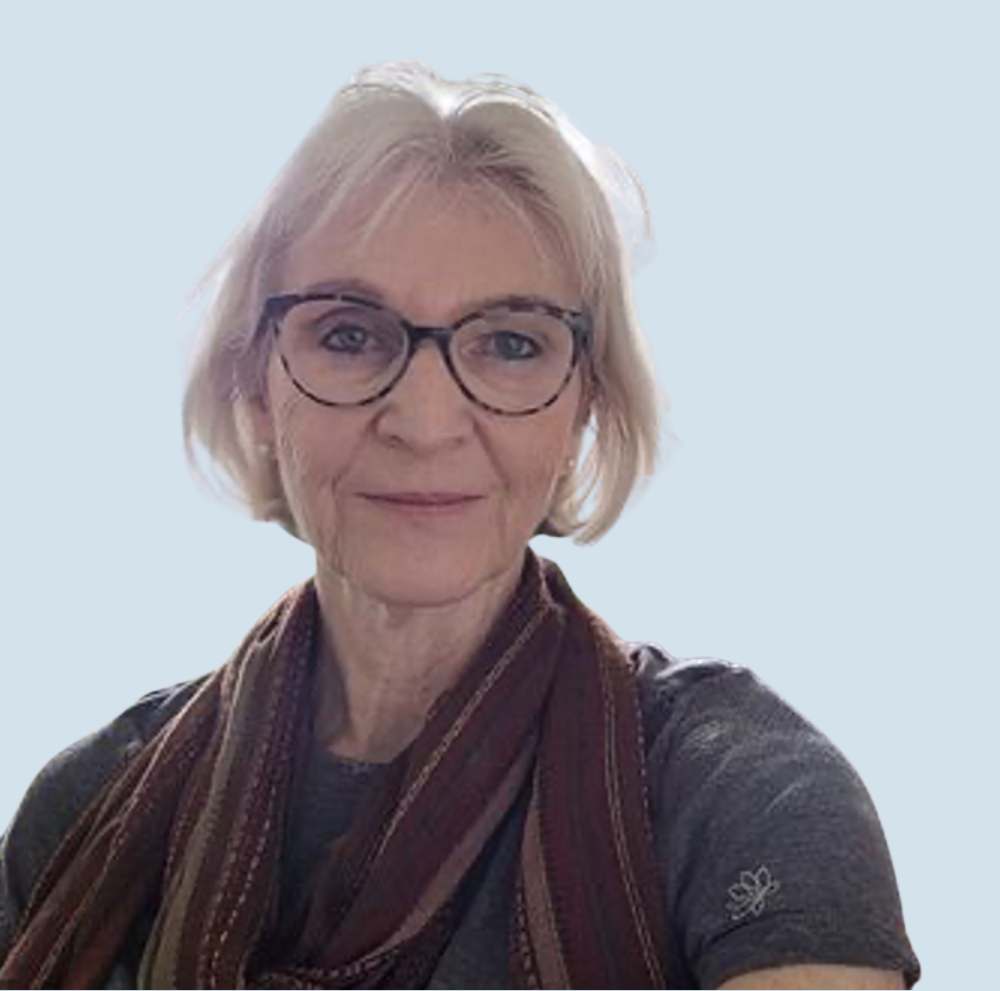
Sigrid O'Callaghan
Sigrid is a clinical psychologist, psychoanalytic psychotherapist, and Board-approved supervisor with experience across private practice, rehabilitation, and community mental health services. Sigrid has a longstanding interest and formal training in psychoanalytic psychotherapy.
She has been a member of the teaching staff of the Brisbane Centre for Psychoanalytic Studies since 2017 and is on the Training Commmittee of the Queensland Psychoanalytic Psychotherapy Association since 2023. Her commitment to teaching and training is her ongoing desire to develop her own and her students’ and trainees’ capacity to receive and metabolize unconscious communication, particularly when working with deeply traumatized patients.
Practice: Brisbane
-
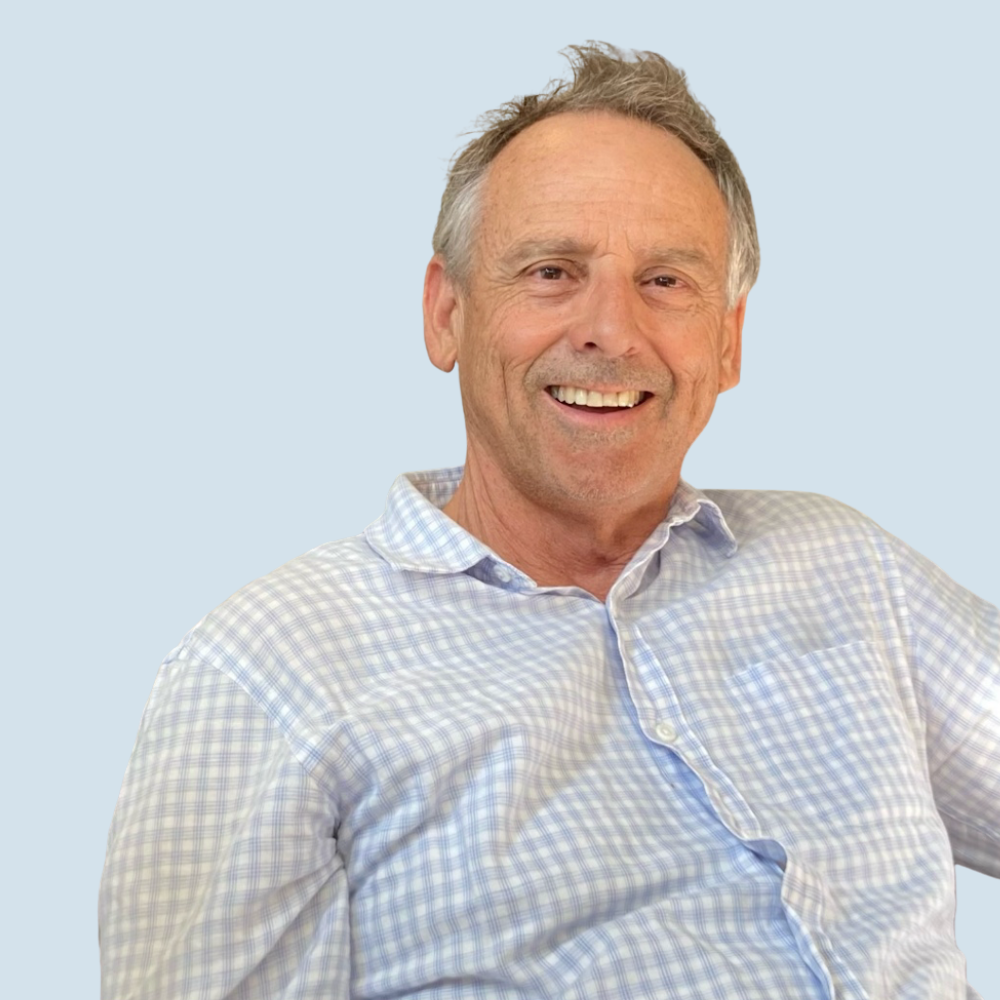
Dr Bernard Goldman
Clinical psychologist, psychodynamic psychotherapist, and Board-approved supervisor in private practice in Newcastle. Bernard has been engaged in psychodynamic theory and practice for more than forty years, and has supervised clinical psychology trainees through the University of Newcastle and privately. He continues to teach and supervise with generosity and enthusiasm.
Bernard’s doctoral thesis involved the study of the psychodynamic therapy, the Conversation Model, in the treatment of Borderline Personality Disorder. He hopes that his provision of supervision provides a safe harbour for the psychologist to reflect on their practice and to see the opportunities for transformation for the supervisee and their patients.
Practice: Newcastle
-
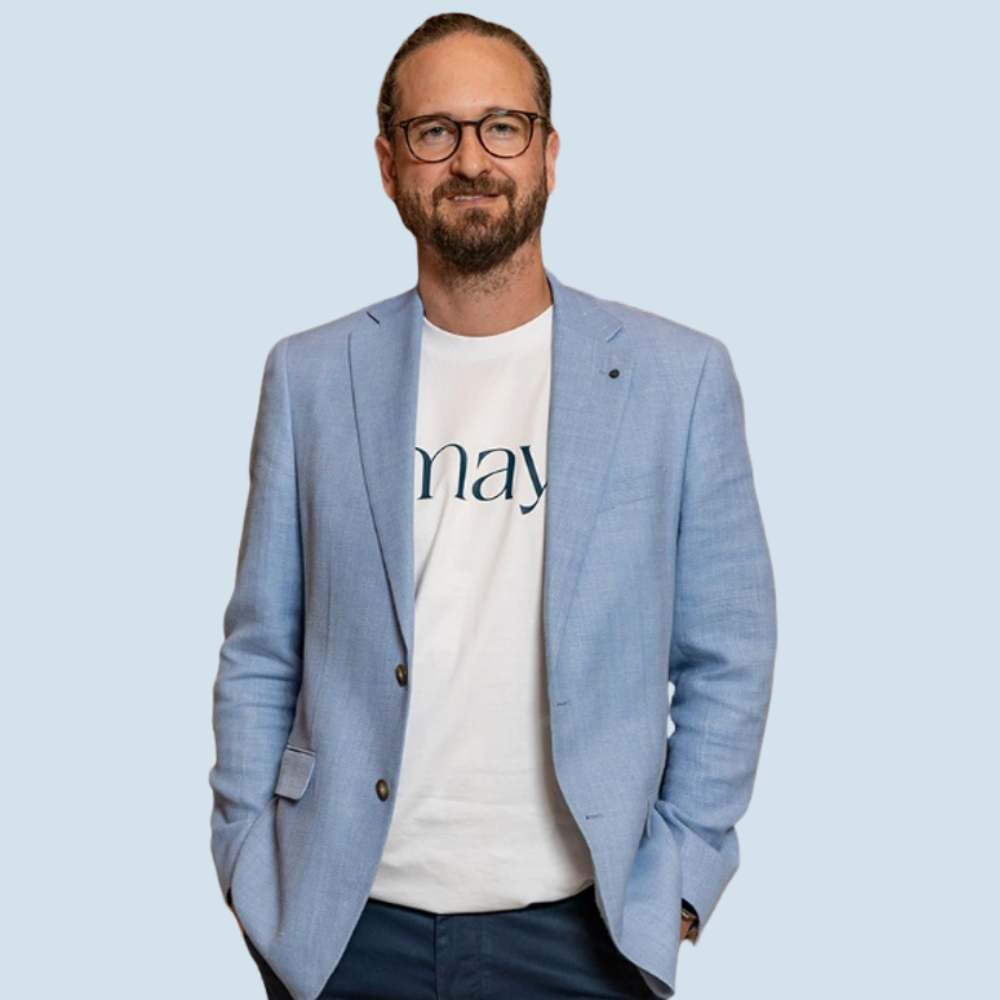
Aaron Neaves
Clinical psychologist, Board-approved supervisor, and Director of May Health, a multidisciplinary mental health practice in Adelaide. Aaron works exclusively in private practice, providing psychodynamic psychotherapy and clinical supervision to adults across a broad range of presentations.
His clinical work is informed by psychodynamic and psychoanalytic perspectives, with particular interests in personality, attachment, transference and countertransference, and psychodynamic case formulation. He has undertaken four years of formal postgraduate studies in psychoanalysis, which continue to inform his approach to psychotherapy and supervision. He is currently preparing for doctoral research in personality assessment and psychodynamic diagnosis.
Aaron has a particular interest in supporting psychologists and registrars who wish to deepen their understanding of psychodynamic formulation, the therapeutic frame, and psychoanalytic theory, while developing greater confidence in their own clinical judgement and therapeutic identity.
Practice: Adelaide
-
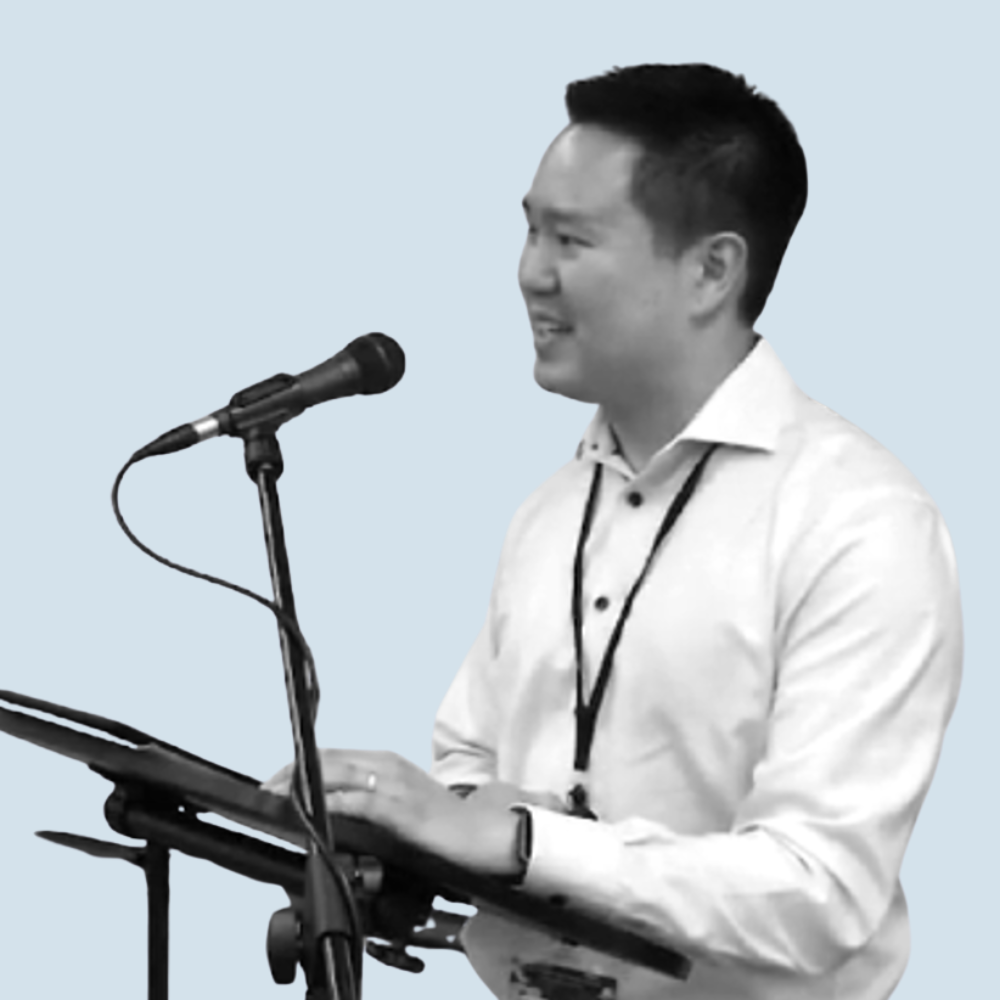
Dr Stephen Tang
Clinical psychologist, psychodynamic psychotherapist, and Board-approved supervisor based in Canberra. Stephen practises through a relational and intersubjective perspective grounded in contemporary self psychology, and is also active in developing relational and collaborative approaches to psychological assessment and formulation.
His previous careers in law, public policy, regulation, research and ethics have all shaped his approach to practice and supervision. Stephen is particularly interested in supporting registrars and supervisees for whom the journey towards being a psychologist and psychodynamic psychotherapist has carried ambivalence, personal complexity and uncertainty.
Practice: Canberra
-
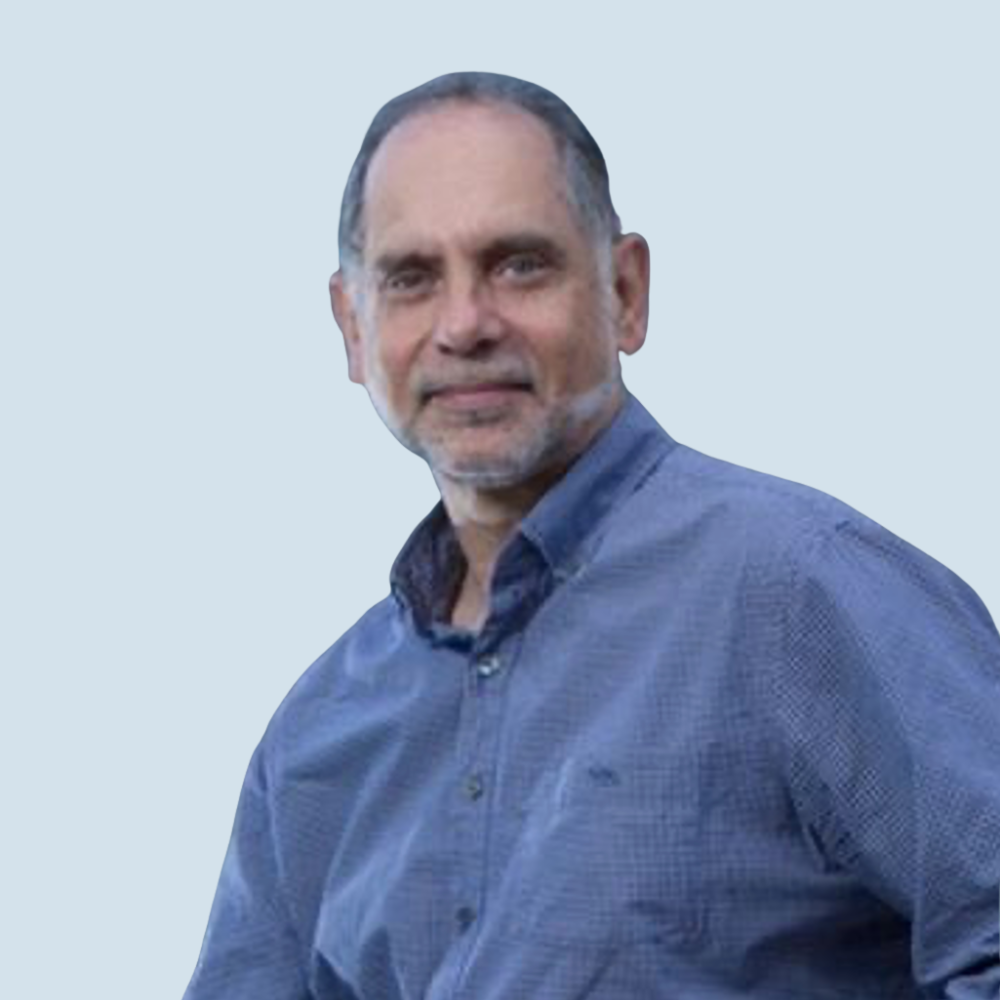
Dr Dave Misso
Counselling psychologist, psychotherapist, and Board-approved supervisor with more than forty years' experience working with individuals, couples, families, and groups. Dave teaches into the Insight program, and his integrative approach draws particularly on psychodynamic, relational, metacognitive, and narrative perspectives.
Dave holds a PhD from the Queensland University of Technology, where his research examined a metacognition-informed approach to working with men who use domestic violence, and has published and presented nationally and internationally on metacognition, psychotherapy, and domestic and family violence. He has a particular interest in developing therapists' reflective capacity, relational awareness, and the integration of theory into practice.
Practice: Brisbane
-
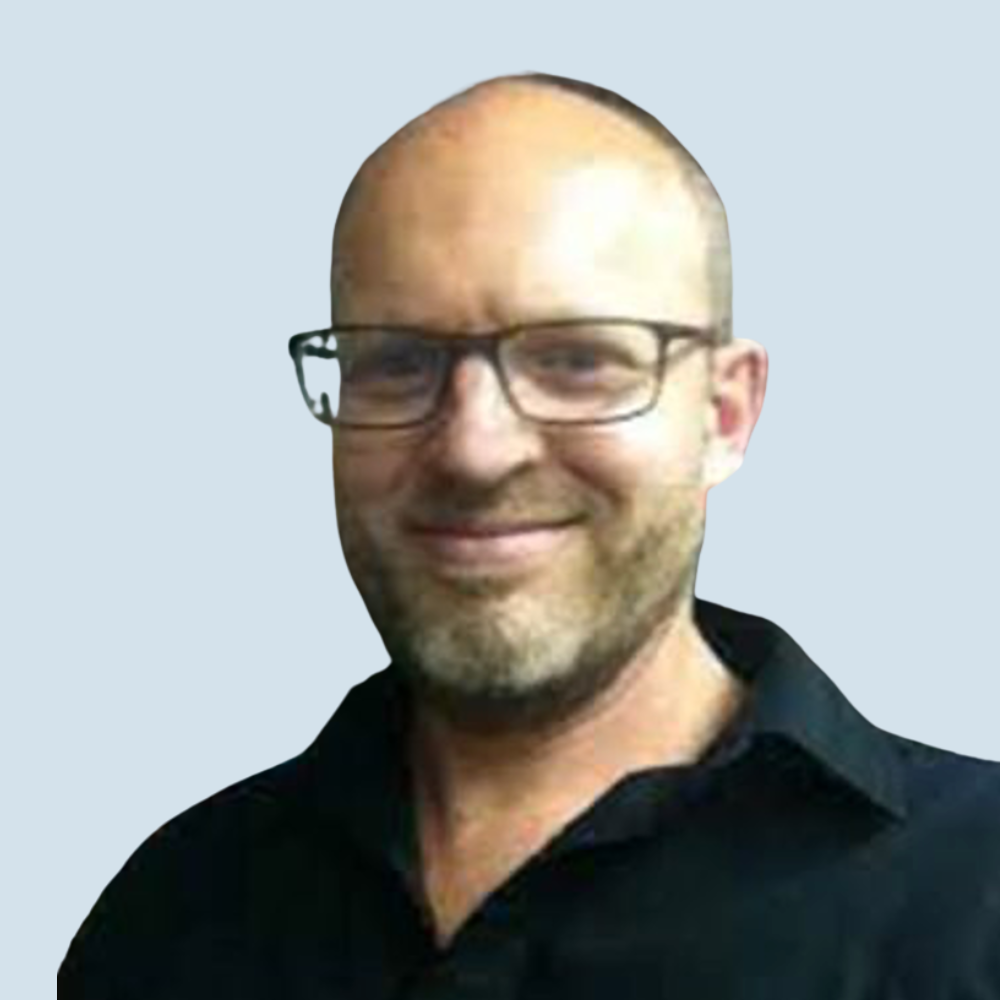
Professor Duncan Cartwright
Clinical psychologist, psychoanalytic psychotherapist, and Board-approved supervisor, registered in Australia and South Africa. Duncan is Head of the Clinical Psychology Training Programme at the University of KwaZulu-Natal in Durban. He has supervised trainees' clinical work for the past 30 years and teaches brief psychodynamic and psychoanalytic approaches. He holds a PhD in psychoanalytic psychotherapy from Rhodes University and serves on the editorial board of Psycho-Analytic Psychotherapy in South Africa.
Duncan's research focuses on trainee development and anxiety in clinical supervision, psychodynamically informed supervision practice, and the relational dimensions of psychoanalysis and psychotherapy. Informed by these interests, he works with psychologists and registrars to deepen therapeutic thinking by cultivating the capacity to tolerate uncertainty, attend to the therapeutic relationship, and use their own subjective experience as a source of clinical understanding. He has a particular interest in the developmental challenges faced by trainees and in creating supervisory relationships that foster reflective practice, curiosity, and the development of each trainee's own clinical idiom.
He is the author of Murdering Minds: Psychoanalysis, Violence and Rage-Type Murder (Brunner-Routledge, 2002) and Containing States of Mind: Exploring Bion's Container Model in Psychoanalytic Psychotherapy (Routledge, 2010).
Practice: Durban — supervision by videoconference

“Psychoanalytic teaching at its best opens a space for thinking and dreaming in situations in which the (understandable) impulse is to close that space."
– Thomas H. Ogden (2006) On teaching psychoanalysis, p. 1069
Reflections from Our Faculty
Invitation
If you are looking for more than a pathway to endorsement — if you are looking for a community committed to thoughtful supervision, scholarship, and lifelong professional development — we would be delighted to welcome you to Insight.