
Dr Robert Schweitzer
Clinical Psychologist | Supervisor

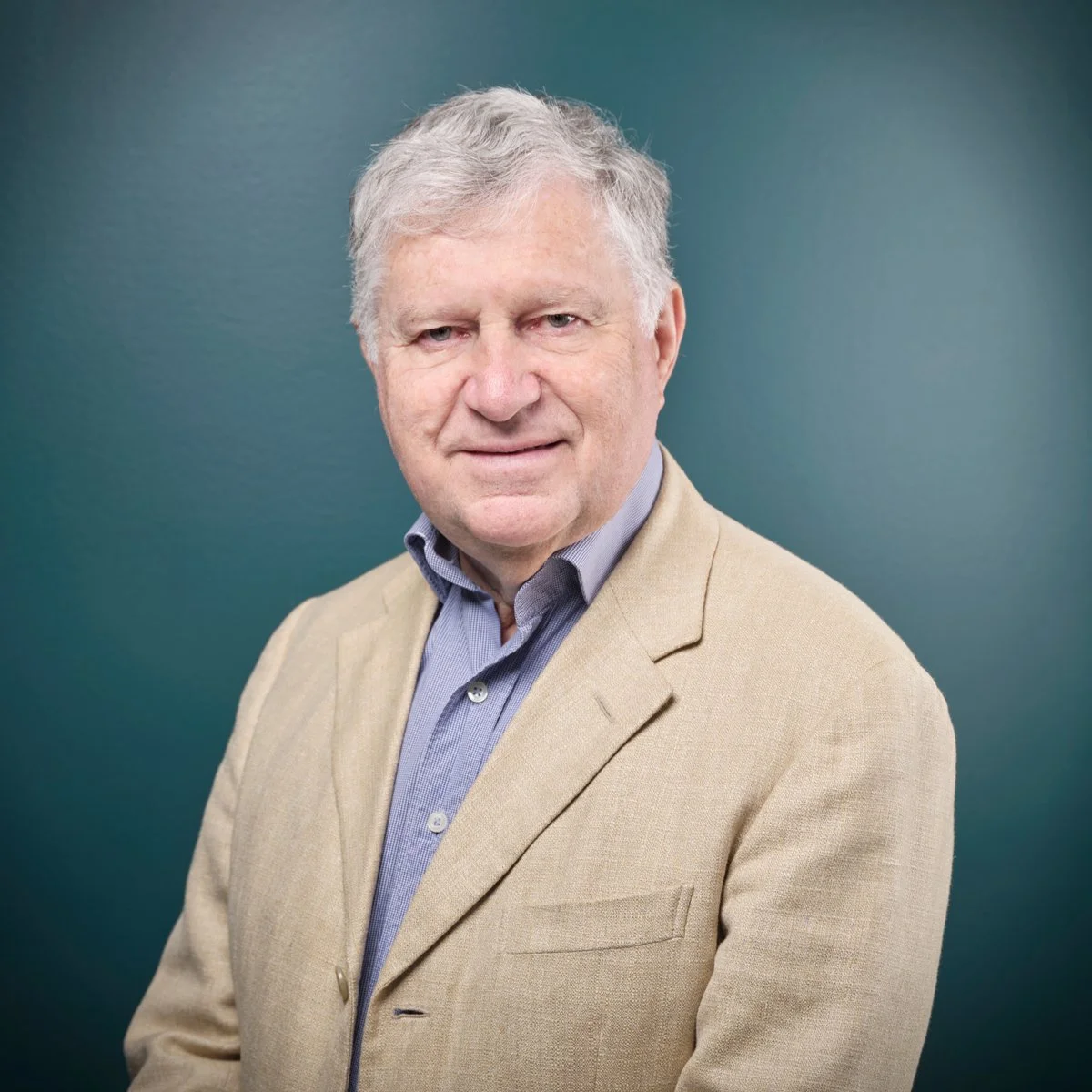
Meet Robert
I am Co-Convener of the Insight Program and an Adjunct Professor at the Queensland University of Technology, where I established the training program in Clinical Psychology. I have been practising as a clinical psychologist, psychodynamic psychotherapist, supervisor, teacher, and researcher for almost four decades. Over this time, I have remained committed to the ethos of psychodynamic principles and translating these into working with trainee psychologists develop the capacity to think deeply about the people with whom they work. That commitment has shaped my clinical practice, university teaching, supervision, research, and the creation of Insight.
I am a Board-approved supervisor and continue to practise psychodynamic psychotherapy in Brisbane alongside my teaching and supervision.
My training began at the University of Cape Town, followed by a Master's degree in Clinical Psychology and a PhD at Rhodes University, where I gained a grounding in psychodynamic psychotherapy. Two professional relationships stand out. In my early years as a psychologist, I worked closely with Dr Vera Bührmann, the first Jungian analyst in South Africa, who joined me in my research with Xhosa healers, the amagqira. That work taught me about healing from several perspectives — our own traditions and those of others — and about what psychodynamic thinking can and cannot claim. Similarly, the collaboration with Vera was a formative experience in my understanding of unconscious processes.
More recently, I worked with the late Professor Paul Lysaker, founder of the MERIT Institute, which affirmed my conviction that as psychotherapists, we have a lot to offer people who suffer from some of the more profound mental disturbances. This experience deepened my understanding of psychosis, recovery, and the therapeutic relationship when working with more complex mental health presentations. Furthermore, my own experience in psychotherapy has grounded my understanding of analytic concepts as a lived experience.
I taught first in the clinical program at the University of Queensland, and later at the Queensland University of Technology. The QUT program was unusual in Australia, at this time, in offering an integrative approach drawing substantially on psychodynamic theory and practice. I have served as Chair of the Queensland Psychology Board and Deputy Chair of the Australian Psychology Accreditation Council, and have published more than 150 peer-reviewed papers and book chapters on psychotherapy process, supervision, metacognition and recovery, and refugee mental health. I have been a member of the Society for Psychotherapy Research for some twenty years, am certified in Metacognitive Reflection and Insight Therapy, and have served on the MERIT Board.
I enjoy teaching and supervision, and trust that those who engage with us leave with something more lasting than knowledge alone — sound clinical judgement, a strong therapeutic identity, a commitment to reflective practice and a passion for the profession which endures across a career.

Professional Interests
Contemporary psychodynamic psychotherapy
Psychotherapy supervision and therapist development
Severe mental illness, psychosis and recovery
Metacognitive Reflection and Insight Therapy (MERIT)
Cross-cultural psychology and mental health
Publications
Vernon, J., & Schweitzer, R. (2023). Learning to end: Trainee therapists’ experiences of imposed therapeutic endings. European Journal for Qualitative Research in Psychotherapy, 13, 121–135. https://eprints.qut.edu.au/244431/
Hoviatdoost, P., Schweitzer, R., Bandarian-Balooch, S., Arthey, S., & Izadikhah, Z. (2022). Using the Achievement of Therapeutic Objectives Scale to operationalize ‘unlocking’ of the unconscious. American Journal of Psychotherapy, 75(4), 161–167. https://eprints.qut.edu.au/234951/
Lysaker, P., Gagen, E., Moritz, S., & Schweitzer, R. (2018). Metacognitive approaches to the treatment of psychosis: A comparison of four approaches. Psychology Research and Behavior Management, 2018(11), 341–351. https://eprints.qut.edu.au/119883/
Robinson, N., Schweitzer, R., & O’Connor, E. (2019). Early reflections on becoming a therapist: Development of reflective practice in clinical training programmes in an Australian context. Counselling and Psychotherapy Research, 19(4), 388–398. https://eprints.qut.edu.au/132388/
Schweitzer, R., & Witham, M. (2018). The supervisory alliance: Comparison of measures and implications for a supervision toolkit. Counselling and Psychotherapy Research, 18(1), 71–78. https://eprints.qut.edu.au/223046/
Gordon-King, K., Schweitzer, R., & Dimaggio, G. (2019). Metacognitive interpersonal therapy for personality disorders: The case of a man with obsessive-compulsive personality disorder and avoidant personality disorder. Journal of Contemporary Psychotherapy, 49(1), 39–47. https://eprints.qut.edu.au/121474/
Hoviatdoost, P., Schweitzer, R. D., Bandarian, S., & Arthey, S. (2020). Mechanisms of change in intensive short-term dynamic psychotherapy: Systematized review. American Journal of Psychotherapy, 73(3), 95–106. https://eprints.qut.edu.au/201818/

"Throughout my career I have been interested in one central question: how do psychologists become thoughtful clinicians rather than simply technically competent practitioners?"
– Robert Schweitzer
Invitation
If you are looking for more than a pathway to endorsement — if you are looking for a community committed to thoughtful supervision, scholarship, and lifelong professional development — we would be delighted to welcome you to Insight.